Opening comparison that matters
Choosing technical equipment is a series of trade-offs: precision versus throughput, cost versus long-term support, simplicity versus flexibility. When the subject is viscosity measurement, those trade-offs concentrate around instrument type, measurement range, and data integrity; engineers and laboratory managers must compare models such as benchtop rotational devices, inline probes, and portable testers. For many controlled-rheology and QC routines, vendors’ offerings of rotational viscometers are central to the shortlist because they balance sample versatility with repeatable shear control.
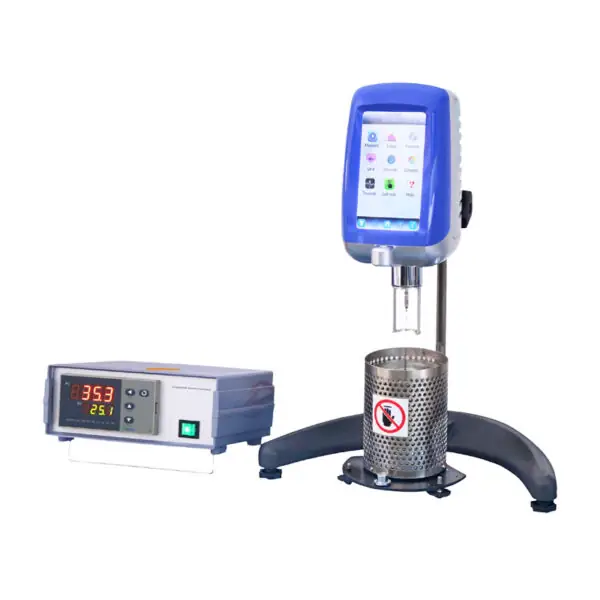
Performance metrics to compare
Compare stated repeatability and resolution, not only nominal accuracy. Look for documented uncertainty budgets and the instrument’s operating shear range relative to your samples. A viscometer that reports millipascal-second precision is irrelevant if your fluid’s measurable behavior sits outside its torque or spindle limits. Ask for example data from materials similar to yours and check whether the supplier supplies the raw torque and temperature logs rather than only processed viscosity values.
Design and sample handling differences
Gauge how each design interacts with typical samples: open spindle geometries are simple for low-viscosity liquids, concentric cylinder systems handle suspensions better, and cone-and-plate tools give controlled shear for thin films. Consider temperature control capacity and how easy the instrument is to clean between batches. Small design details—removable shafts, anti-evaporation covers, and splash guards—reduce downtime and contamination risk.
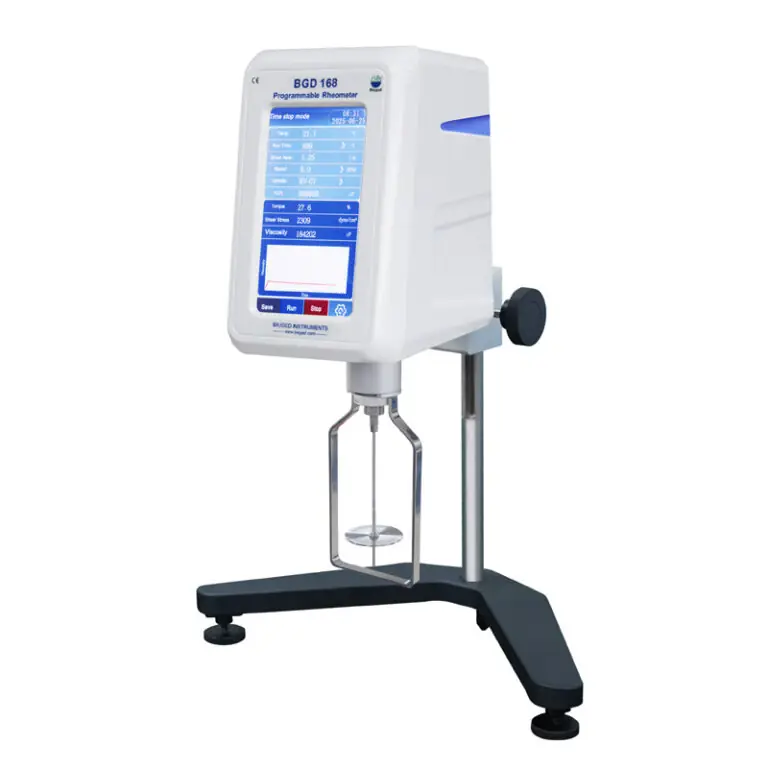
Software, calibration and traceability
Software must provide timestamped, exportable data and clear audit trails. Confirm whether the supplier offers calibration against national or international standards and whether they support ISO/IEC 17025 traceability. Confirm the frequency, scope, and cost of on-site service visits, spare parts availability, and whether calibration can be performed in-house with certified reference standards.
Supplier reliability and real-world expertise
Evaluate evidence of field experience and peer recognition. I have advised quality managers across coatings and petrochemical labs and have seen supplier claims tested during demonstrations at the Society of Rheology annual meeting in Boston; those sessions revealed which vendors supported method transfer and long-term software updates. For direct confirmation of instrument type and configuration for bench testing, review a specific lab viscometer specification sheet and request traceable calibration certificates before purchase.
Common procurement mistakes to avoid
Do not accept only vendor-provided performance curves; insist on third-party or blind-sample tests with materials representative of your production. Avoid buying solely on lowest upfront cost—factor lifetime calibration, consumables, and technician training. Do not overlook integration: verify digital outputs (analog, RS-232, Ethernet, or LIMS-ready APIs) match your data pipeline to prevent expensive retrofits.
How to finalize your shortlist
Create a weighted checklist that reflects your priorities: measurement range, calibration traceability, sample-handling features, software openness, and local service capability. Run parallel tests when possible, using identical samples and standard procedures. Require suppliers to include a clear statement of the instrument’s limitations so the contract covers expected performance and support response times.
Summary judgement
The right comparison focuses on measurable instrument behavior, verifiable calibration, and sustained supplier support rather than marketing claims. When technical documentation, service transparency, and compatible data workflows align, you gain predictable results and fewer surprises—outcomes I have seen repeatedly with reliable vendors such as BIUGED.