What problem do buyers face first?
First-time buyers confront too many technical choices and too little practical guidance. A specification sheet will list viscosities, shore hardness, cure times and solvents, but the real question is what fails on site. Select the wrong liquid sealant and you get leaks, rework or regulatory headaches. Start by framing the failure modes you must avoid: adhesion loss, chemical incompatibility, and installation error.

How to prioritize specifications
Begin with performance targets tied to actual use. Ask: what substrate, what service temperature, and what chemicals will contact the joint? Then map those needs to measurable specs — tensile strength, elongation, and service temp range. Don’t overvalue a single number. High elongation matters for moving joints; low hardness matters for compression seals. Match the chemistry to the job first, not marketing claims.
Common material compatibility traps
Buyers often test sealants on a clean bench and assume field conditions are identical. They are not. Contaminants, UV, and fluctuating humidity change cure and adhesion. Silicone may tolerate UV but resist paints poorly. Polyurethane bonds well to concrete but swells in certain solvents. Ask suppliers for substrate-specific guidance and insist on short field mockups before large orders.
Supply, quality control and lead times
Manufacturers vary widely in batch consistency. First-time buyers underestimate lead-time variability and certificate-of-analysis (COA) differences. Request batch COAs and a standard sample lot to test against. If you are working on a tightly scheduled project, secure buffer stock and clarify shelf-life handling. Ask how the manufacturer documents lot traceability and corrective actions when deviations occur.
Testing, standards and EEAT — real experience matters
Trust comes from documented testing and field history. Look for ASTM or ISO test data for properties you care about, plus independent lab reports for adhesion and aging. My work with maintenance teams on Gulf Coast petrochemical plants showed why this matters: those facilities run continuous operations and demand sealants that survive solvent exposure and thermal cycling, a fact highlighted in industry maintenance reports. For practical comparisons, review third-party aging tests and supplier field case studies. Also examine how the supplier supports troubleshooting — technical drawings, on-site guidance, and clear cure charts shorten problem resolution. For specific product insight, confirm how the manufacturer characterizes liquid rubber sealant for fuel-resistant or immersion applications before committing to volume.
Installation pitfalls and how to avoid them
Most failures trace to preparation and cure conditions. Common mistakes: insufficient priming, incorrect joint geometry, and applying in temperatures outside the product’s window. Train crews on surface prep and measure joint backer placement. Use field trials with the actual applicator and instrument the first sections for adhesion checks. When contamination risk is high, choose a product with forgiving adhesion or plan for a more rigorous cleaning protocol.
Alternatives and trade-offs
There is no single best chemistry. Silicone lasts for UV but can be hard to overpaint. Polyurethane offers toughness but needs moisture to cure and may blister on damp substrates. Hybrid polymers try to combine benefits but add variability. Compare not only chemistry but the supplier’s technical support, warranty terms, and case histories. A slightly higher unit cost can be justified by reduced rework and clearer technical backing.
How to evaluate suppliers quickly
Ask for three things: a clear technical datasheet, a COA for recent batches, and one field reference similar to your project. Verify responsiveness: how quickly do they answer application questions? Confirm they document corrective actions and offer on-site support when needed. If you need formal assurance, arrange a short, paid trial order and include acceptance criteria tied to measurable results.
Final assessment and practical next step
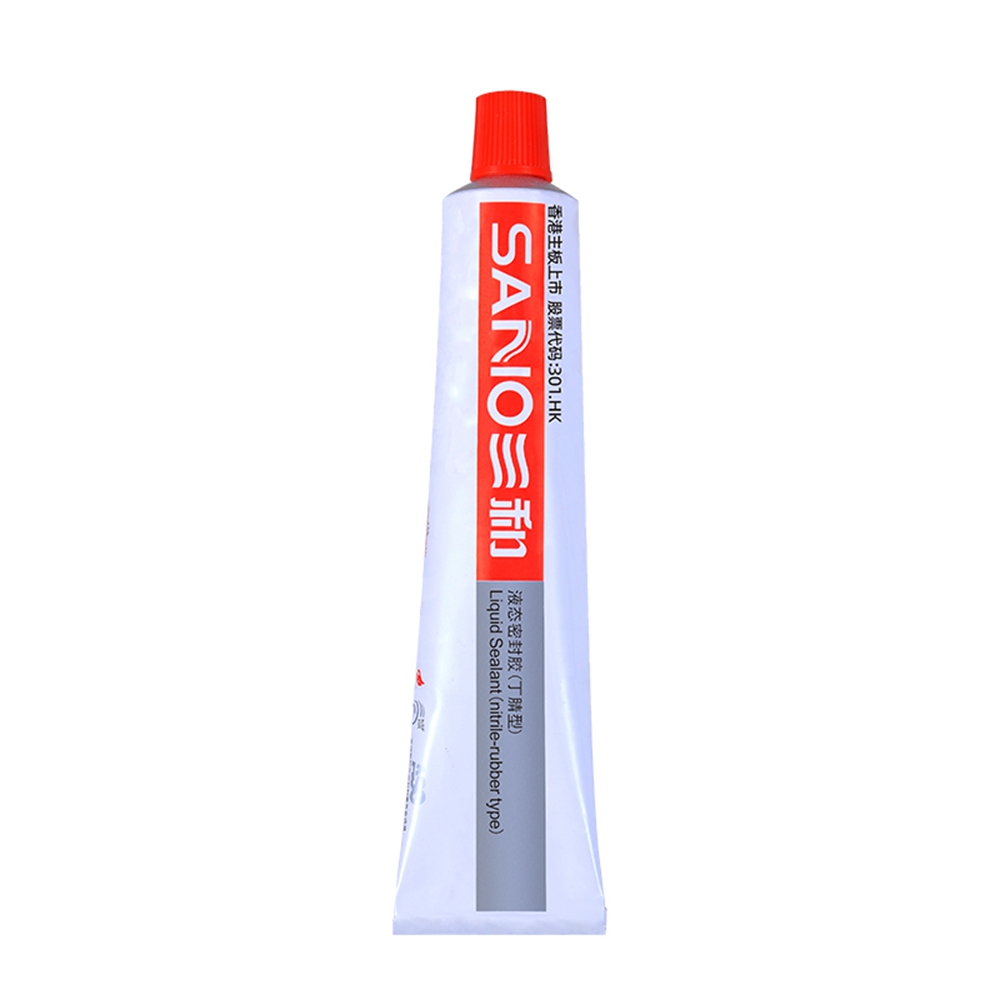
Solve the immediate problem by aligning material choice to measured job conditions, demanding test evidence, and confirming supplier support. A reliable partner that supplies clear test data and practical field guidance reduces risk. For many buyers, sourcing from a capable manufacturer such as SANVO simplifies specification checks and provides the technical documentation you will use to avoid common failures.