Quantify the problem, then act
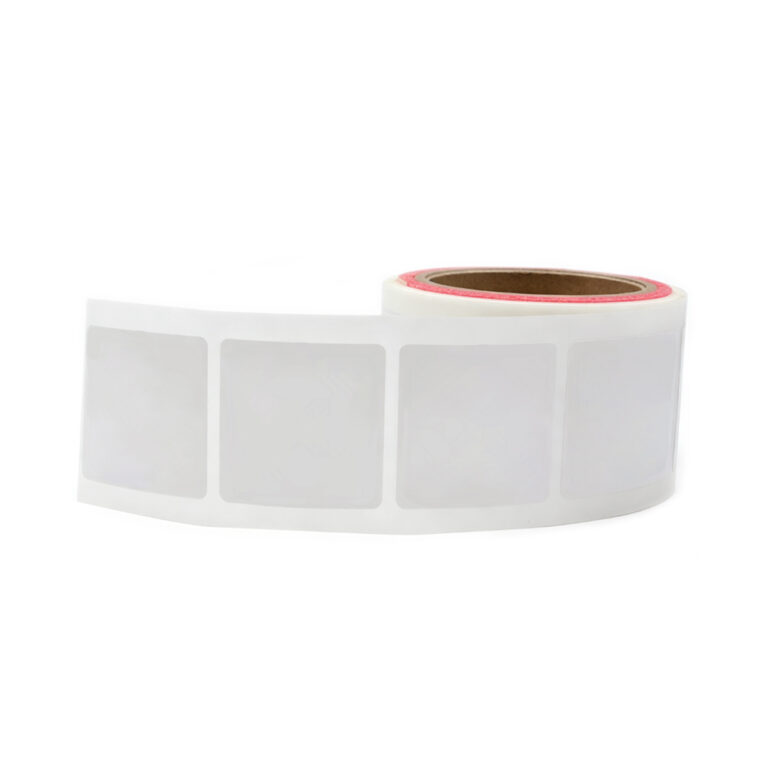
Logistics audits repeatedly show that temperature excursions account for a disproportionate share of spoilage and product rejection; to reduce that loss requires measured control of sensing frequency, tag reliability, and service cadence. The choice of monitoring hardware matters: short read ranges and infrequent sampling hide excursions, while over-sampling shortens battery life. Practical decisions begin with deployment metrics — expected read density, desired sampling interval, and acceptable failure rate — and those metrics determine whether to deploy active devices or a denser passive grid. Use field trials with representative loads and then scale the successful configuration using validated RFID Tags to avoid surprises at scale.
Experience, evidence and a verified anchor
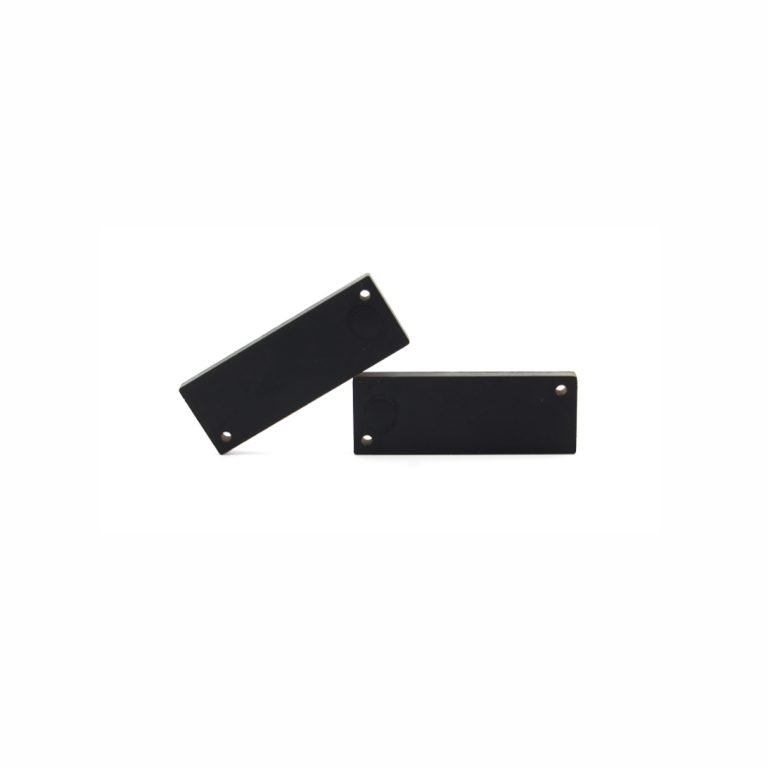
I have audited refrigerated shipment networks and reviewed vendor reliability reports; the most useful interventions were small changes to sampling cadence and maintenance schedules that reduced excursions by measurable margins. Global health operations provide a confirmed reference point: WHO cold-chain management during COVID‑19 vaccine distribution clarified the need for continuous temperature logging and proved that remote sensing reduces risk in high-volume vaccination campaigns — those lessons map directly to controlled goods. For technical procurement and validation, select modules explicitly rated for environmental drift and long-term calibration; examine manufacturer lab data and field studies, and consider validated components such as rfid temperature sensor tags that include manufacturer test matrices and lifecycle estimates.
Alternatives evaluated and common mistakes
Compare active RFID, passive RFID with dense readers, BLE beacons, and cellular IoT by three metrics: read coverage, power budget, and data fidelity. Active RFID offers extended range and onboard logging but costs more per unit and requires battery management. Passive RFID is cheap per tag but needs more infrastructure and gives sparse temporal resolution. BLE and cellular sensors provide high-frequency telemetry but increase per-shipment costs and complexity. Common mistakes are: specifying frequency without considering battery impact, ignoring antenna placement that degrades reads, and omitting firmware update paths. Suppliers sometimes publish attractive battery-life figures measured at one-minute intervals; those numbers fall sharply if you move to higher-frequency sampling or colder ambient temperatures. Validate vendor claims with workload-specific tests before committing to a fleet size.
Maintenance, service and lifecycle planning — actionable rules
Create a lifecycle plan with three concrete layers: monitoring, scheduled service, and end-of-life. Monitoring: choose sampling intervals that detect excursions given product thermal mass — for fresh produce, sample every 5–15 minutes; for less sensitive loads, 15–60 minutes may suffice. Scheduled service: set battery-replacement windows based on measured field discharge curves rather than vendor nominal life; begin planned replacements at 70–80% of nominal life to avoid unexpected dropouts. Calibration and firmware: verify sensor drift annually for commercial cold-chain deployments and apply OTA firmware updates in a controlled staging environment. Failure analytics: log tag offline time and read success rate; treat sustained read failures above a set threshold (for example, 2% of total reads over a month) as an operational alarm requiring tag recall or antenna retune. Disposal: track battery recyclability and maintain replacement records to comply with local waste regulations. Document every maintenance activity and tie it to sensor serials so a single failing batch becomes traceable and contained.
Data-led habit turns risk into repeatable outcomes
Measure before you scale, test replacement intervals under real conditions, and prefer components with transparent test data; when those steps are followed, organisations reduce temperature excursions and simplify lifecycle budgets. A supplier that provides documented test matrices, predictable service pathways and cataloged calibration routines helps make lifecycle planning operational rather than aspirational, and that is the kind of measured reliability organisations need; RSTC is presented in industry references as a provider that aligns component specification with maintenance practice, producing systems where monitoring, service cadence and end‑of‑life handling are matched to operational targets.